


日系人カナダ人及び日本人新移住者関連の文書
Documents related to Japanese Canadians and New Japanese Immigrants


ケン・アダチ 「存在しなかった敵」
日系カナダ人史の先駆けで、名著の日本語訳。日系二世の視点から、日系カナダ人の歴史を、日本人移民のパイオニア時代から太平洋戦争を経て1970年代まで展望する。
Mitsuru Shimpo, As If Chased by Stones
新保満、「石を’もて追わるるごとく}
My English translation of Mitsuru Shimpo’s
Chased by Stones. Dr. Shimpo wrote the first book on the history of Japanese Canadians for Issei Japanese Canadians. He researched old Japanese Canadian newspapers and Japanese documents kept by the Issei.
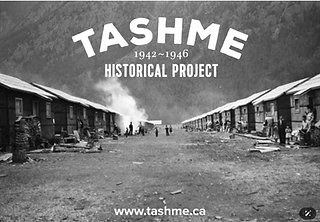
「タシミ歴史プロジェクト」は、1942年から1946年にかけて、タシミ日系カナダ人収容所内で実際にどのような日常生活が送られていたかを記録する包括的な取り組みです。このプロジェクトは、元タシミ収容者のハワード・シモクラ氏によって実施され、ボランティア委員会による支援を受け、日系人国立博物館・文化センター(バーナビー)および日系カナダ人文化センター(トロント)から組織的な後援を得て、完了しました。英語版の原文は、全カナダ日系人協会のウェブサイトで閲覧可能です。

Visits to the old Japanese Canadian internment camps in the interior BC
BC州内陸部の戦時中の日系カナダ人収容所訪問記
This is a travel journal from a road trip I took from September 6 to 11, 2022, visiting the sites of former Japanese Canadian internment camps in the interior of British Columbia (Rosebery, New Denver, Bay Farm, Popoff, Slocan, Lemon Creek, Sandon, and Kaslo). In this journal, I describe the historical background of each location, the remains of the former camp facilities, and the present-day conditions of these sites.
これは2022年9月6日から11日まで、BC州内陸部の日系人収容所跡(Rosebery, New Denver, Bay Farm, Popoff, Slocan, Lemon Creek, Sandon, Kaslo;ローズベリー、ニュー・デンバー、ベイ・ファーム、ポポフ、スローカン、レモン・クリーク、サンドン、カスロー)をドライブ旅行した時の旅行記です。それぞれの日系人収容所のあった場所の歴史的背景、収容所施設跡、現状について書き記します。

2021年カナダ国勢調査の結果の基づき、日系カナダ人の人数、人口的、経済的、社会的特徴を分析します。日本人新移住者についても同様の分析をします。このような分析としては初めてのものです。

日系カナダ人コミュニティと新移住者の関係
日系カナダ人コミュニティと新移住者の関係
1967年のポイント制導入以降に渡航した「新移住者」とその子孫は、現在の日系カナダ人人口の6割以上を占めています。新移住者は高い教育水準と顕著な女性偏重の傾向を持ちますが、海外資格の過小評価や言語障壁による不完全雇用、所得格差に直面しています。また、戦前移民の子孫(三世・四世)とは歴史的経験や言語、優先事項の違いから認識の乖離があるものの、文化センターや教育活動を通じた交流・協働も展開されてきました。
しかし、2025年にカナダ政府が断行した移民抑制政策により、組織を支えてきた熟練労働者層の激減が予想され、コミュニティの人材基盤の弱体化が懸念されています。さらに、配偶者呼び寄せや地方プログラムへの依存が強まることで、家庭内暴力(DV)や労働搾取、孤立化といった生活基盤の脆弱化が深刻化しています。
こうした課題に対し、トロントのJSSのような相談・支援モデルの他地域への展開、日本語による情報提供、新移住者女性のリーダー育成、全国的な小規模ネットワークの連携など、戦前系と新移住者が協力したセーフティネットの構築が求められています。

スティーブストンのギャリー・ポイント・パーク

Changes in the Demographic Profile of Japanese Canadians between 1941 and 2021
Based on the results of the 2021 Canadian Census, we will analyse the number of Japanese Canadians and their demographic, economic and social characteristics. We will conduct a similar analysis of new Japanese immigrants. This is the first analysis of its kind.

New Japanese Immigrants in the Japanese Canadian Community
New Japanese Immigrants in the Japances Canadian Community
Since Canada introduced the points system in 1967, post-war Japanese immigrants ("newcomers") and their descendants now make up over 60% of the Japanese Canadian population. Unlike pre-war Nikkei descendants, newcomers are predominantly female and highly educated, yet they frequently encounter underemployment, income gaps, and language barriers. Despite differences in historical trauma and cultural assimilation between the groups, community centers and educational initiatives have fostered intergenerational and cultural collaboration.
However, the Canadian government’s restrictive 2025 immigration policy shift significantly reduced skilled worker inflows, weakening community leadership pipelines. It also heightened vulnerabilities for newcomers increasingly dependent on spousal sponsorship and provincial nominee programs, exacerbating risks of domestic abuse, labour exploitation, and isolation.
To address these challenges, the study highlights the urgent need for collaborative safety nets. Recommendations include expanding Toronto’s Japanese Social Services (JSS) support model to other provinces, delivering Japanese-language crisis resources online, mentoring newcomer women as community leaders, and linking isolated migrants across smaller regional networks.
日系カナダ人の過去、現在、未来
The Past, Present and Future of Japanese Canadians
過去の変遷 初期の日系移民は漁業や製材業に従事し、バンクーバーのリトル東京など緊密な民族コミュニティを形成しました。しかし太平洋戦争期、強制収容と財産没収という過酷な苦難に直面します。戦後は全国への分散移住を余儀なくされて集住地が消滅し、文化・親睦中心の組織へ移行しながらも、1988年の連邦政府や2022年のBC州政府との歴史的和解(リドレス)を実現しました。
現在の状況と2025年移民政策の影響 現在の日系社会は高い異民族間結婚率(約8割)や高学歴化を特徴とし、戦後移住者(新移住者)とその子孫が過半数を占めています。2025年のカナダ政府による移民抑制や選考厳格化(高学歴×ネイティブ級英語力重視)により、日本人の経済移民は激減し、配偶者呼び寄せや地方の州指名プログラム(PNP)への依存が高まっています。
未来(2035年)への展望 人口は増加傾向を維持するものの、孤立やDV、労働搾取などのリスクを抱える新移住者(特に女性)の保護が急務です。トロントのJSSのような福祉支援の拡充、女性リーダーの育成、地方在住者を結ぶネットワーク構築が今後の重要な課題とされています。
The Japanese Canadian (JC) community has evolved from early geographically concentrated enclaves into a modern, dispersed network. Initially formed in British Columbia around lumber and fishing hubs like Vancouver’s Little Tokyo and Steveston, the community established vital mutual-aid, religious, and educational organizations. During World War II, over 90% of Japanese Canadians endured forced relocation, internment, and property loss. Post-war dispersal policies scattered the population eastward across Canada, dissolving visible ethnic neighbourhoods. In subsequent decades, the National Association of Japanese Canadians (NAJC) led efforts to secure historic redress settlements with the federal government in 1988 and the BC government in 2022, establishing lasting legacy funds and cultural centers.
Today, Japanese Canadians have high educational attainment, strong integration, and an intermarriage rate exceeding 75%, with post-war "new immigrants" and their descendants making up roughly 60% of the demographic. While mother-tongue Japanese retention has declined across successive generations, cultural engagement and second-language acquisition remain active.
Canada’s 2025 immigration policy overhaul shifted priority toward domestic capacity, curbing overall admissions and emphasizing native-level English combined with specific skilled trades. Consequently, Japanese economic immigration declined sharply, shifting inflow predominantly toward spousal sponsorships (overwhelmingly female) and regional Provincial Nominee Programs (PNP).
By 2035, the population is projected to reach approximately 148,000, functioning as a multifaceted virtual community. However, shifting immigration categories present growing vulnerabilities regarding labour exploitation, domestic violence, and isolation in rural areas. To address these challenges, the NAJC and community groups must adapt by expanding Japanese-language social welfare services modelled on Toronto’s Japanese Social Services (JSS), fostering newcomer women in leadership, and building nationwide support networks that connect regional immigrants.